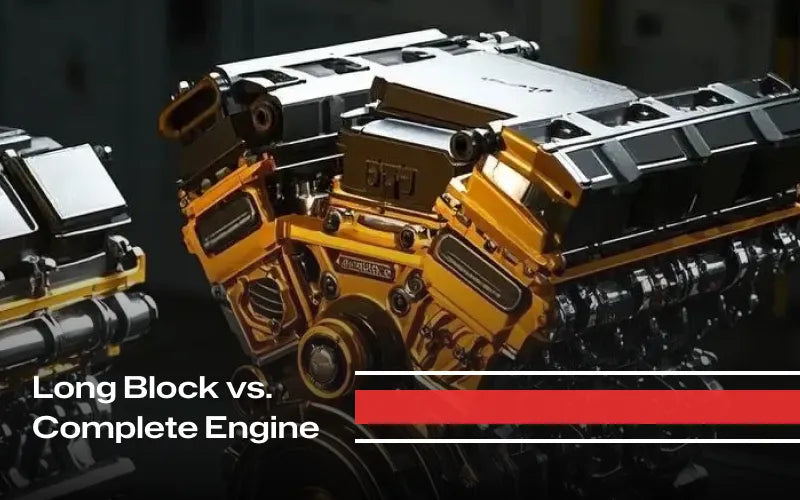
Long block vs. complete engine is one of the first things to sort out when you shop for a used replacement. The names sound simple, but sellers don’t always use them the same way. What’s included can change from one listing to the next. This guide explains the terms, shows what to check, and helps you plan your budget.
Key Takeaways
- A short block covers the bottom of the engine. A long block adds the cylinder head and valvetrain.
- “Complete engine” isn’t a universal standard, so it may not include every accessory.
- Inclusions vary by seller, engine model, and listing.
- Missing parts, reused parts, and labor can raise your total cost.
- Read the description and confirm with the seller before you order.
What Is Included with a Used Engine?
It depends on the listing. Some used replacement engines come with the head, block, and intake manifold. Others arrive with more attached, such as coils or an alternator. A few sellers strip them down.
Browse the used engines for sale, and you’ll notice the titles and parts lists differ. That’s normal. Always treat the listing as the source of truth.
What Is a Short Block Engine?
A short block commonly has the cylinder block, crankshaft, connecting rods, and pistons. The cylinder head isn’t part of it. You’d need to supply the head, camshaft, and the rest of the valvetrain. The Drive’s guide to short block vs long block engines describes the same basic split.
What Is a Long Block Engine?
A long block typically adds the cylinder head and valvetrain parts, including the camshaft. That makes it more assembled than a short block. It still isn’t a turnkey unit. You may need to reuse or buy the oil pan, manifolds, and other parts.
Real listings show how this works. One Toyota Prius 2ZR hybrid 1.8L engine lists the head and block, intake and exhaust manifolds, and coils. The page also says the price covers the long block, while other attached accessories come along for testing and convenience.
What Is a Complete Engine Assembly?
Many people hear “complete” and expect everything. Don’t assume that. A complete engine assembly usually has more parts attached than a bare long block, but no rule says which ones.
It might include a fuel rail, injectors, or ignition coils. It might not include the alternator, starter, or turbocharger. Check the engine code and the parts list. You can compare how sellers describe their units in the Toyota, Lexus and Scion engines collection.
Long Block vs. Complete Engine: Key Differences
|
Feature |
Short block |
Long block |
Complete engine |
|
Cylinder block, crankshaft, pistons |
Usually |
Usually |
Usually |
|
Cylinder head and valvetrain |
No |
Usually |
Usually |
|
Intake and exhaust manifolds |
No |
Varies |
Varies |
|
Fuel rail, injectors, coils |
No |
Varies |
Varies |
|
Alternator and starter |
No |
Varies |
Varies |
Components Typically Included
Most long blocks have the cylinder head, camshaft, and valvetrain. Complete engines often carry extras like manifolds or coils. Those extras can be part of the sale, or they can be attached for testing only. The listing should say which. If you drive a Honda, the Honda and Acura engines collection is a good place to compare.
Components That May Need to Be Reused or Purchased Separately
Plan for the oil pan, exhaust manifold, accessories, and any turbocharger. Some listings also ask you to move emission devices from your old engine. Check this early, since it affects your install.
Installation and Compatibility Considerations
Compatibility starts with the engine code, year, model, and drivetrain. The warranty policy and installation notes matter too. One listing, for example, says professional installation is required. Read those terms before you buy.
How to Check What’s Included Before Buying a Used Engine
Use this quick list:
- Read the full product description and parts list.
- Compare photos with your old engine.
- Match the engine code to your vehicle.
- Ask which accessories are sold and which are only attached.
- Confirm shipping, pickup, and return terms.
Still unsure? Contact JDM Motors of Illinois with your VIN and the listing you’re considering.
Does Engine Assembly Type Affect Replacement Costs?
Yes, it can. A cheaper unit may need extra parts. A more complete one might save you shopping time. Neither is always the better deal.
Your budget can change with missing accessories, reused parts, gaskets, fluids, and labor. Shops charge differently, so get a written quote.
Frequently Asked Questions
What is the difference between a short block and a long block engine?
A short block covers the block and rotating parts. A long block adds the cylinder head and valvetrain.
What does a long block engine usually include?
Usually the block, crankshaft, pistons, cylinder head, and camshaft. Confirm the details in the listing.
Does a long block include the intake manifold?
Not always. Some listings include it, and some don’t.
Does a complete engine include the alternator and starter?
Not necessarily. Ask before you order.
Are accessories included with a used replacement engine?
Sometimes. Attached accessories may be there only for testing, so ask whether they’re part of the sale.
Do I need to transfer parts from my old engine?
Often, yes. Common examples are the oil pan, accessories, and emission devices.
Does a long block engine include the oil pan?
It might, but don’t count on it. Check the parts list.
How do I confirm what comes with a used engine?
Read the description, then contact the seller. Check the FAQ page for general answers.
Does the engine assembly type affect installation costs?
It can. Missing parts and extra labor can add up.
What should I verify before ordering a replacement engine?
Confirm the engine code, fitment, inclusions, and warranty terms.
Ready to Confirm What’s Included?
Browse the available engines anytime, or call (708) 223-0238 to confirm the included components before you buy.